
Frozen Shoulder: What It Is and How to Get Through It
/
In this post, we’ll explain what frozen shoulder really is, why it happens, what to expect, and how to manage it in a way that puts you in control.
Read MoreKeep updated with the latest in the industry, health tips and more.
In this post, we’ll explain what frozen shoulder really is, why it happens, what to expect, and how to manage it in a way that puts you in control.
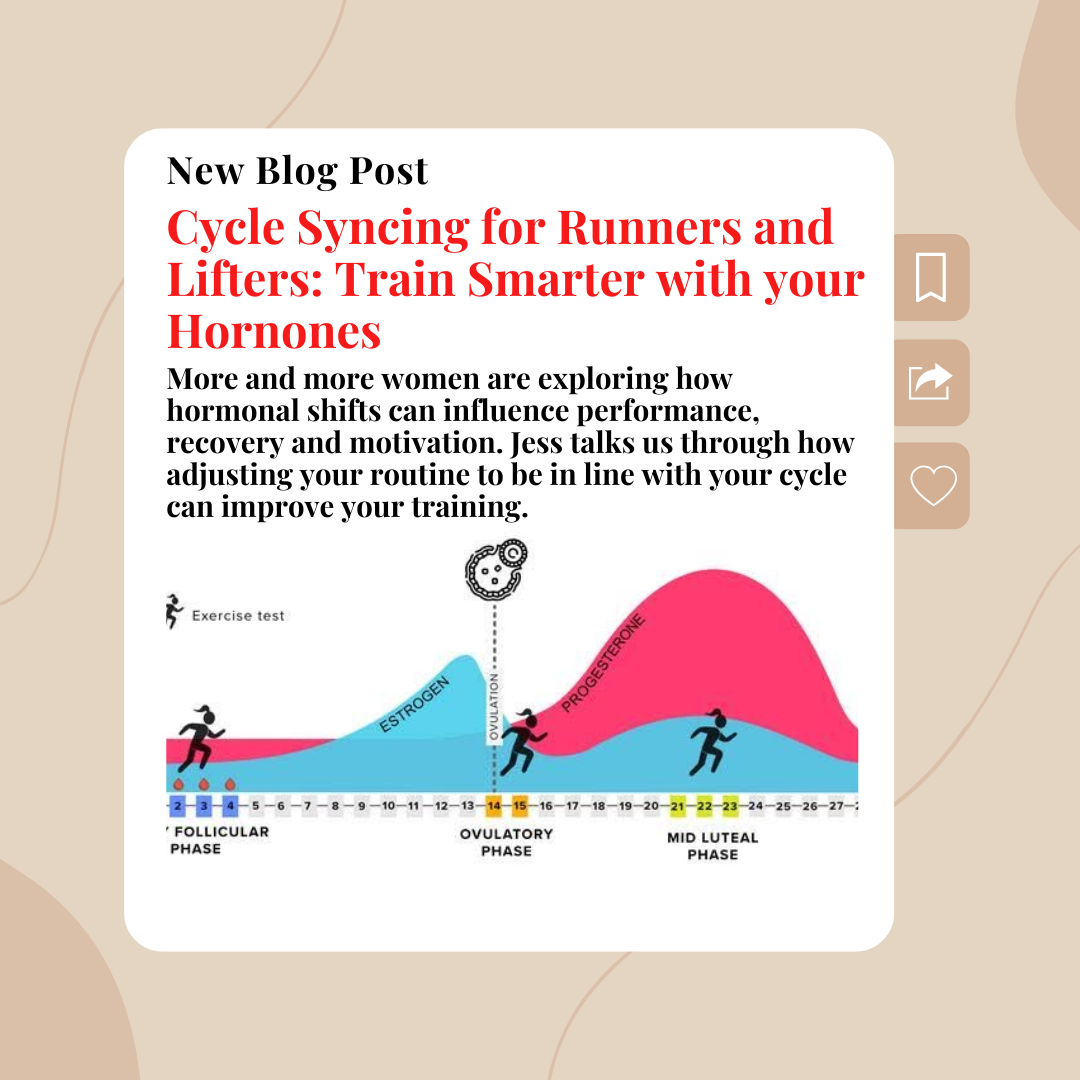
Read MoreCycle syncing is the practice of aligning your workouts, nutrition, and lifestyle habits with the different phases of your menstrual cycle. It’s gained significant popularity — especially on platforms like TikTok and Instagram — as more women explore how hormonal shifts might influence performance, recovery, and motivation.
Read MoreA structured training block for an Ironman or half-Ironman can span 12 to 24 weeks, blending periods of volume, intensity, and crucially recovery. But one of the most common pitfalls I’ve seen, especially among time-crunched age-groupers, is the temptation to work too hard too early in their training program, mistaking fatigue for progress.
Read MoreIf you've ever experienced a dull, aching pain around or behind your kneecap—especially when going up or down stairs, squatting, or sitting for long periods—you might be dealing with Patellofemoral Pain Syndrome (PFPS).
Read MoreOne of the most overlooked aspect of surgery preparation, in my opinion, is pre-operative rehab. While it may seem like something for post-surgery, pre-operative rehabilitation can play a vital role in enhancing the outcome of your surgery and ensuring a smoother, and possibly even a faster recovery.
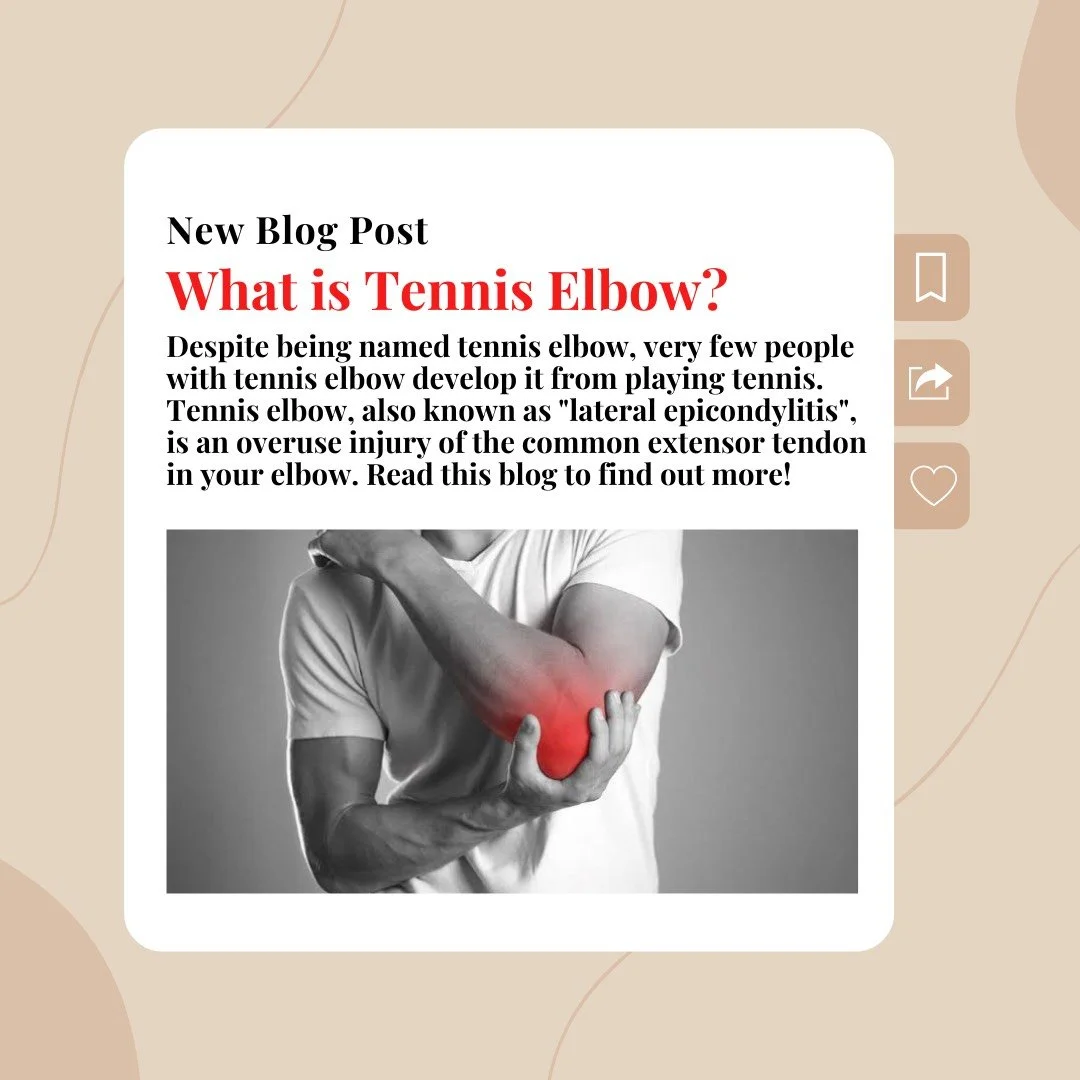
Read MoreTennis elbow, also known as "lateral epicondylitis", is an overuse injury of the common extensor tendon in your elbow. This blog post talks about what it is and how to manage it.
Read MoreIncorporating Pilates into your routine can provide unique benefits that enhance your running game. In this blog post, we'll explore why Pilates is a perfect complement to running and how it can help you become a stronger, more efficient runner.
Read MoreAs a physiotherapist, I work with a lot of runners, and quite quickly I started to wonder if maybe it was time for me to give it a go myself.
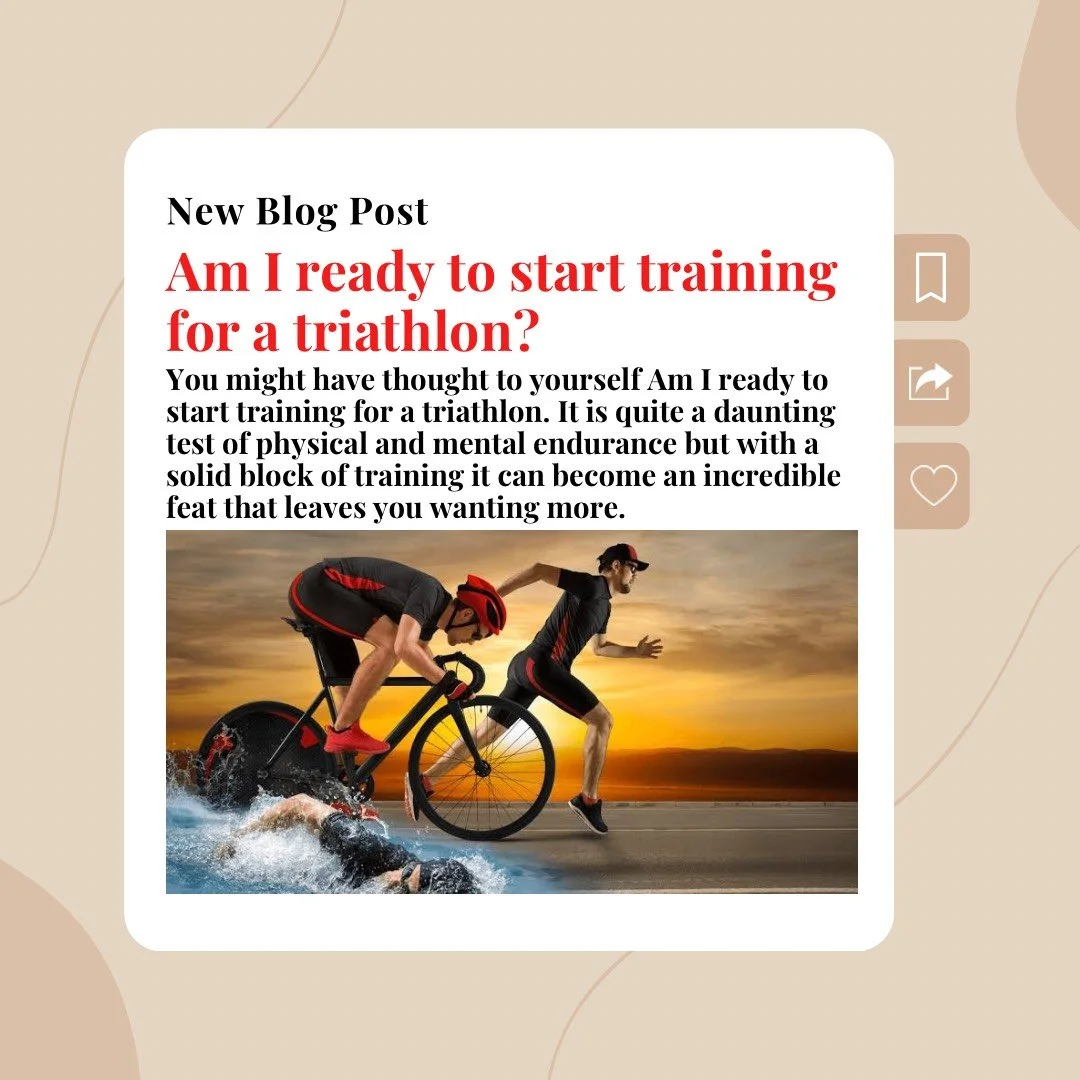
Read MoreYou might have thought to yourself “Am I ready to start training for a triathlon?” It is quite a daunting test of physical and mental endurance but with a solid block of training it can become an incredible feat that leaves you wanting more.
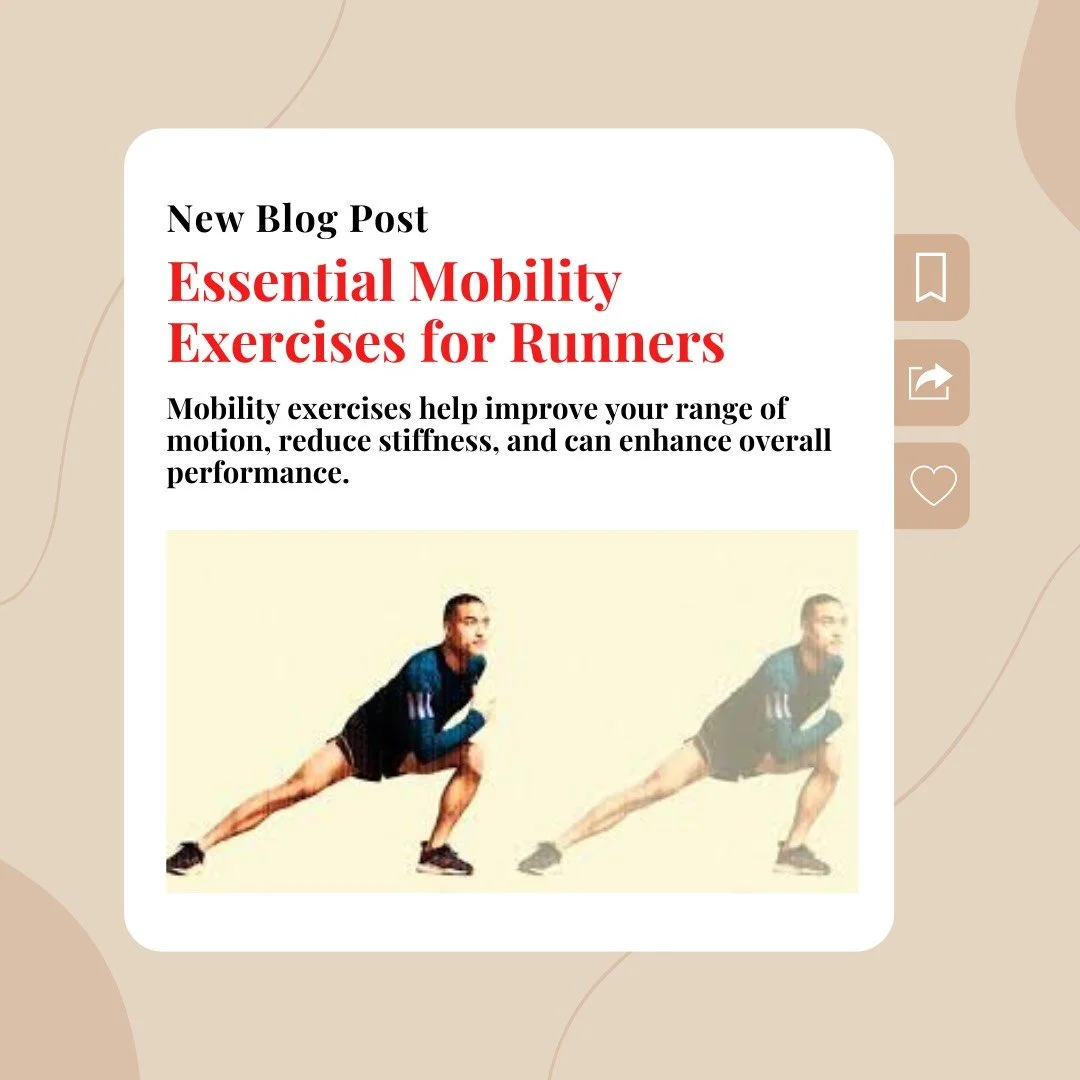
Read MoreAs a runner, your body is constantly subjected to repetitive motion and impact and alongside that we are also progressively overloading it. Whether you're sprinting, jogging, or tackling hills, your muscles, joints and ligaments work hard to not only propel you forward but to help keep you upright and stable. To keep your performance at its peak and help prevent injuries, incorporating some mobility exercises into your routine is a quick and easy way to combat the strain we put our bodies through.
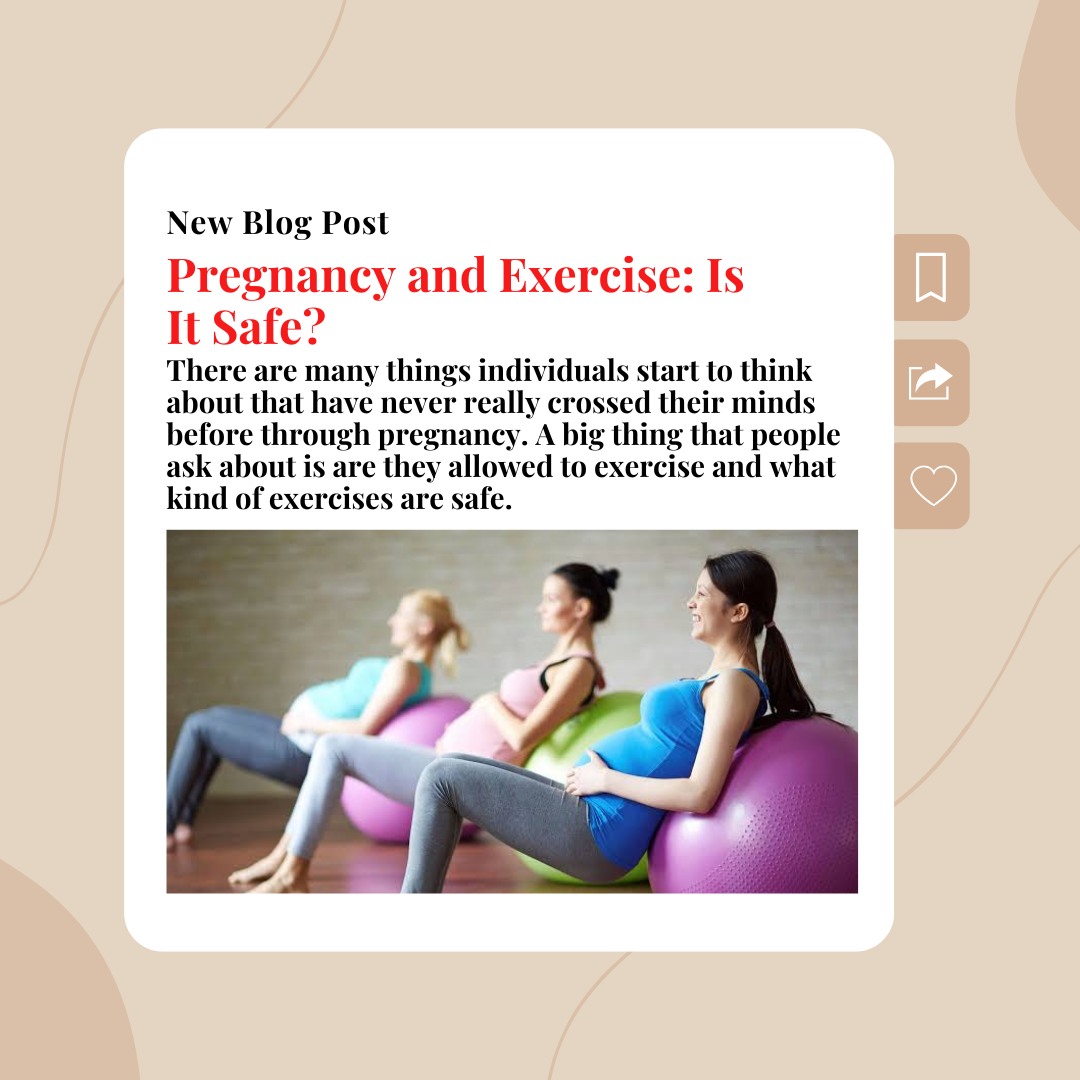
Read MorePregnancy can be an exciting and overwhelming time. There are many things individuals start to think about that have never really crossed their minds before. A big thing that people ask about is are they allowed to exercise and what kinds of exercises are safe.
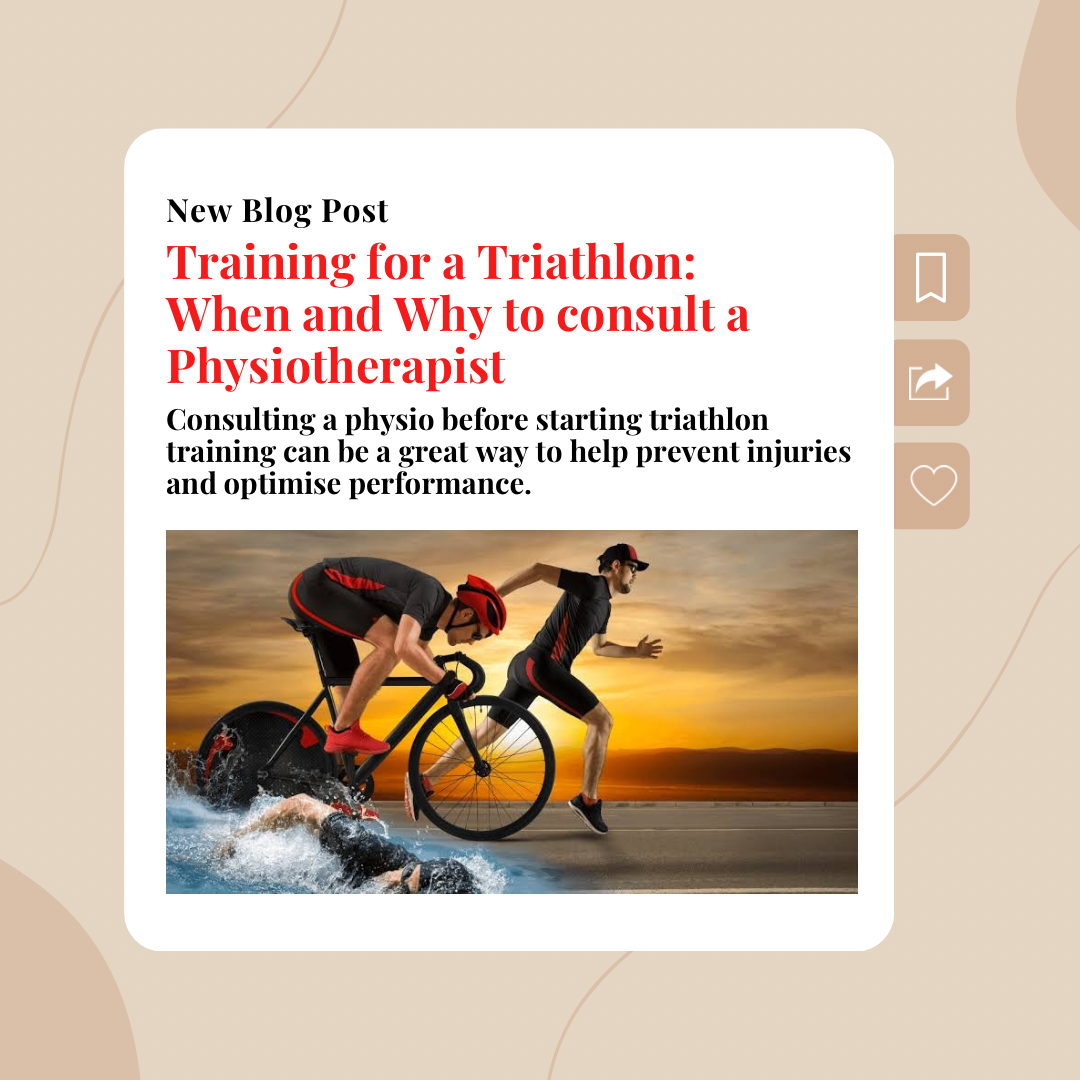
Read MoreConsulting a physiotherapist before starting triathlon training can be a great way to prevent injuries and optimise your performance. Here are some key situations when you should consider seeing one:
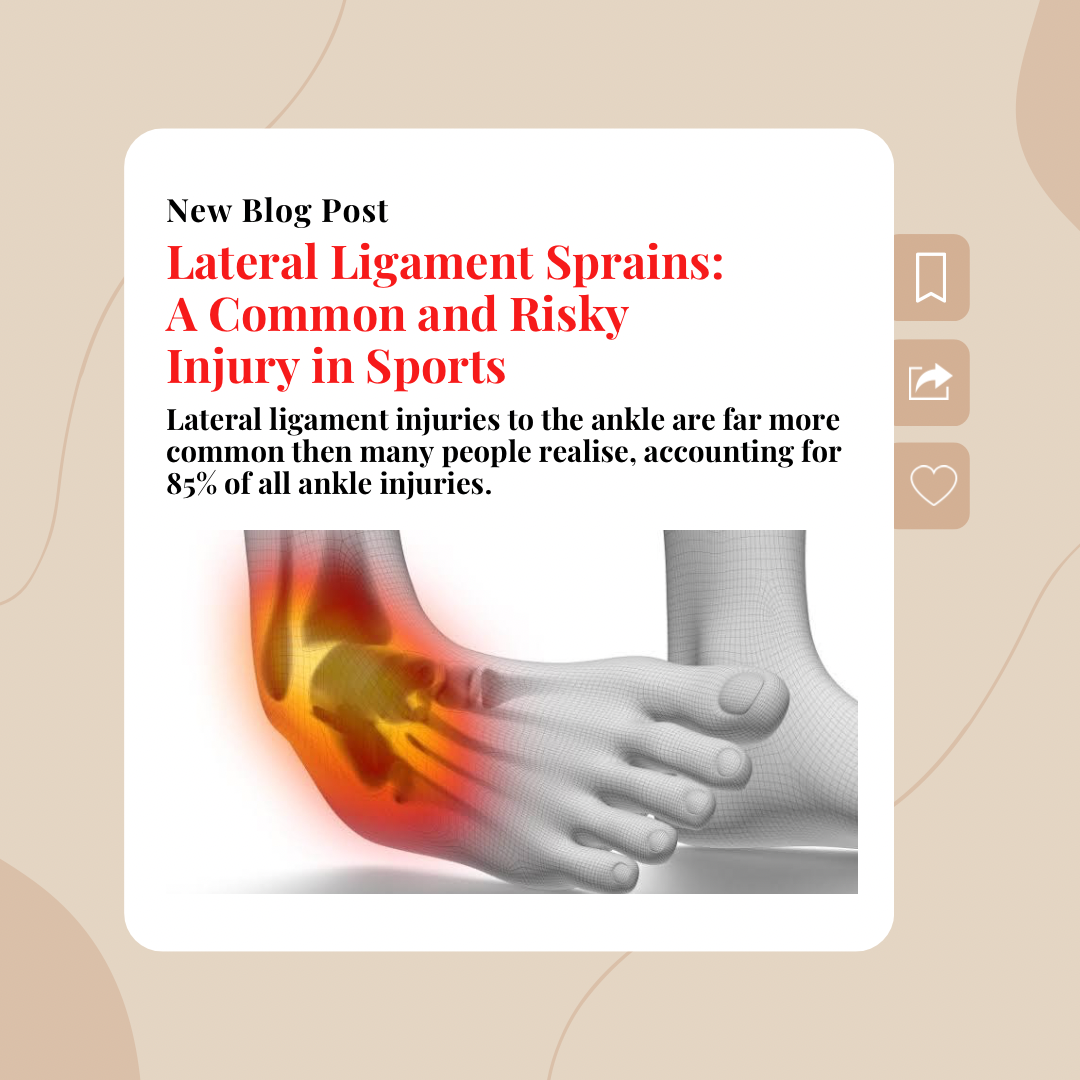
Read MoreLateral ligament injuries to the ankle are far more common than many people realise, accounting for 85% of all ankle injuries. In fact, studies show that up to 40% of all sporting injuries are related to lateral ligament sprains, making them one of the most frequent and disruptive injuries in sports, especially in high-contact or indoor sports like basketball.
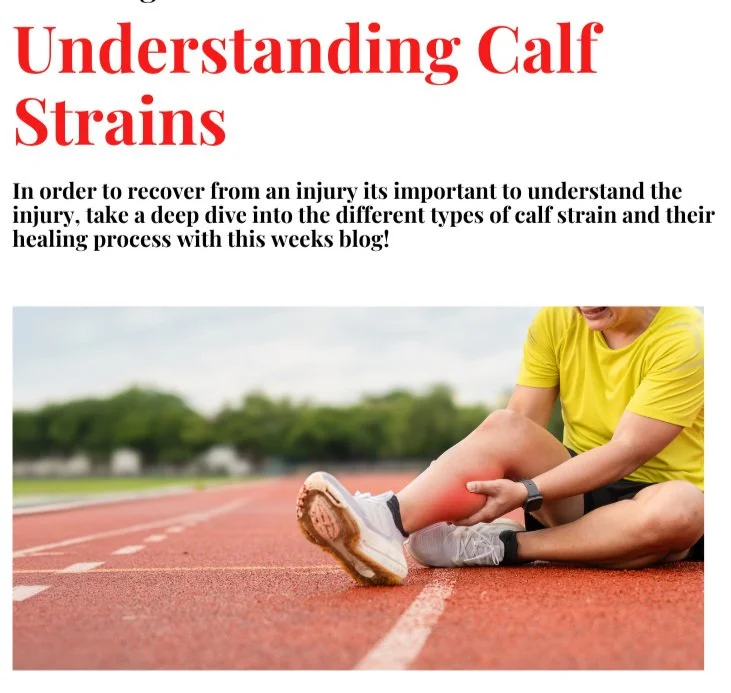
Read MoreA calf strain is a common injury that can affect anyone, from athletes to casual walkers. Whether you’re sprinting, jumping, or simply walking, a sudden pull or tear in the muscles of your calf can leave you sidelined for weeks or longer. Understanding the types of calf strains, their grades, and how they heal can help you recover faster and prevent future injuries.
Read MoreLife happens, and sometimes that means putting exercise on hold for a while. Whether it’s due to an injury, illness, or a much deserved holiday, it can be tough to get back into your fitness routine. The good news is that returning to exercise after a break doesn’t have to be overwhelming. With the right approach and not going too crazy, you can ease back into things safely and make it an enjoyable journey. Here’s how to do it
Read MoreIn your pursuit of better health and wellness, you may have encountered various treatments and therapies. One that stands out is the infrared sauna. Unlike traditional saunas that heat the air, infrared saunas use heaters to emit radiant heat absorbed directly by your skin.
The technology behind infrared saunas is fascinating. These saunas use infrared panels instead of conventional heat sources, which allows them to operate at lower temperatures while still providing a deep and detoxifying sweat. The heat penetrates your skin more deeply than warmed air, offering a range of health benefits.
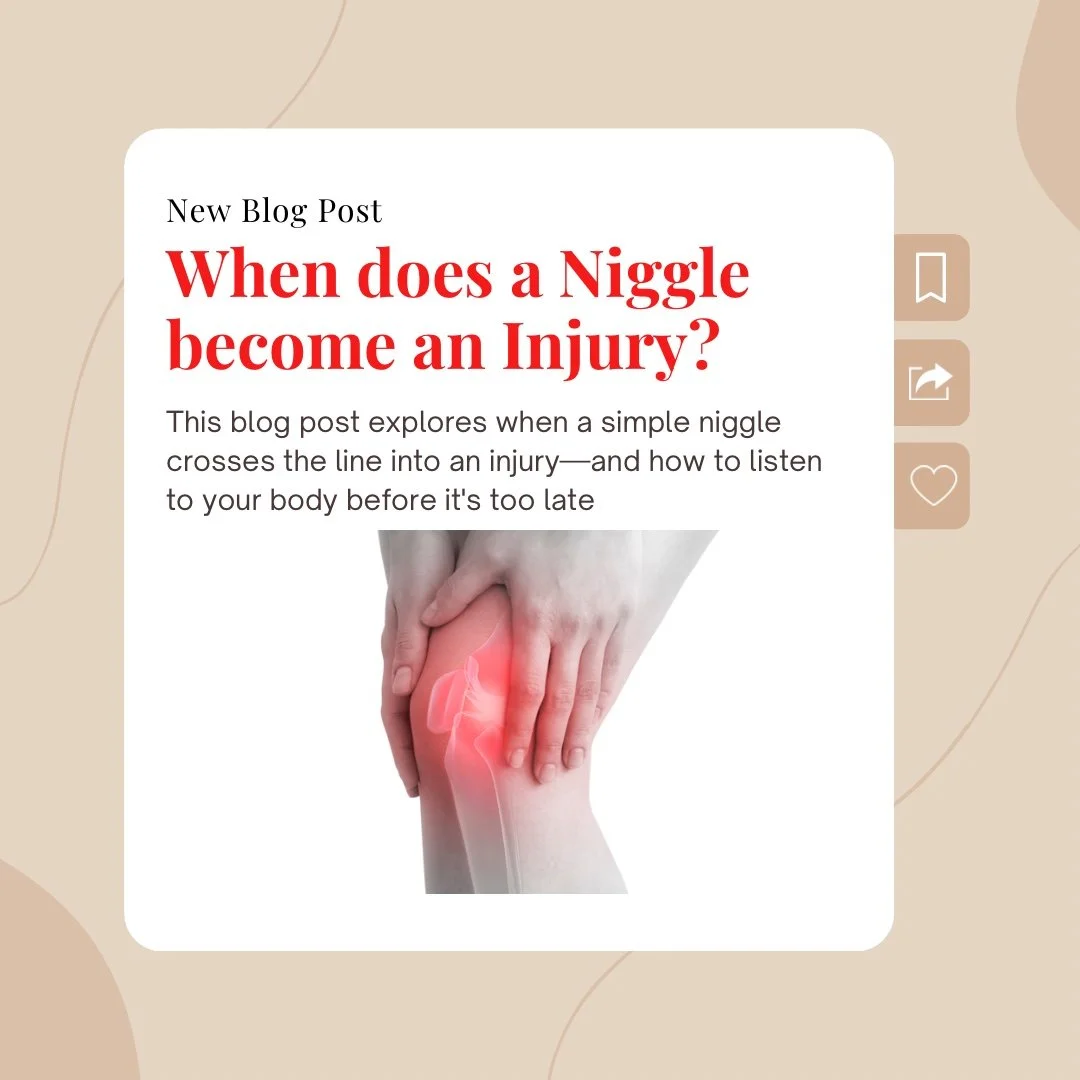
Read MoreWe've all been there—something doesn’t feel quite right. A little ache in your back, a tight hamstring, or that annoying shoulder twinge. At first, it's easy to brush it off as a mere "niggle." It’s nothing serious, right? But what happens when that niggle starts getting louder, more persistent, or……turns into full-blown pain?
So, how do you know when your harmless little niggle has crossed the line into injury territory? Let’s dive in!
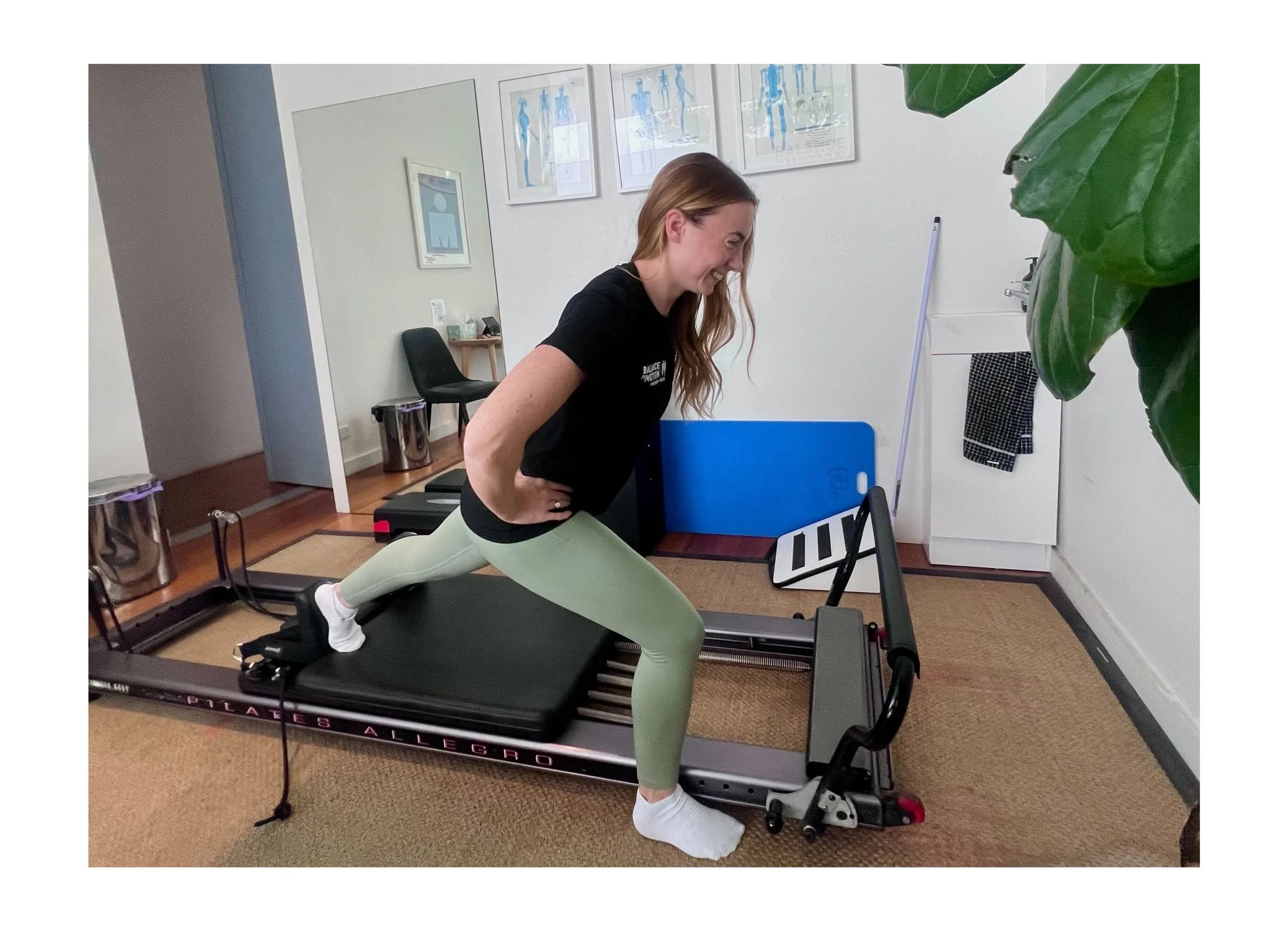
Read MorePilates is a highly versatile workout that focuses on core strength, flexibility, and body awareness. At its core, the Pilates method is essentially a mind-body centring technique that emphasises the importance of beginning movement from a central core of stability.
Whether you’re new to Pilates or a seasoned practitioner you may have encountered the terms Clinical Pilates and Fitness Pilates. Whilst both are rooted in the same core principles created by Joesph Pilates, they do have different focuses and applications. So, how do they differ, and which is best for you?
Read MoreKeep the tissues close by as we celebrate Nick’s hard work, vision and legacy. He has been the heart and soul of this clinic since it’s inception back in 2012 and I asked Nick to put some words in his final blog post for BIM.
Read MoreFor decades we have all been told when we sprain an ankle or jam a finger to "RICE" it. The belief is that the rest, ice, compression, and elevation will help manage the recovery and help reduce swelling and inflammation. But the question is should we be following the RICE principle? This is a principle that has been cemented into our short term management of soft tissue injuries for years but current research is pointing us in another direction.
Read MoreLocated in the heart of Bondi Beach, at Balance in Motion we are passionate about getting you out of pain and back to the active lifestyle you love. We will give you rapid pain relief, get you an accurate diagnosis and devise a plan with you to solve your pain, movement and more. Call us +61 2 9365 0004.
info@balanceinmotion.com.au | +61 2 9365 0004
Copyright 2019 © Balance In Motion
Website by SlickWeb